Diocesan Clergy Quiet Day & Etty Hillesum
This week at our diocesan Clergy Quiet Day we reflected on the spiritual life of Etty Hillesum, a Jewish woman who spent her twenties in the horrors of the Nazi regime in the Netherlands. I did not know much about Etty before then, but I have spent the week thinking about her.
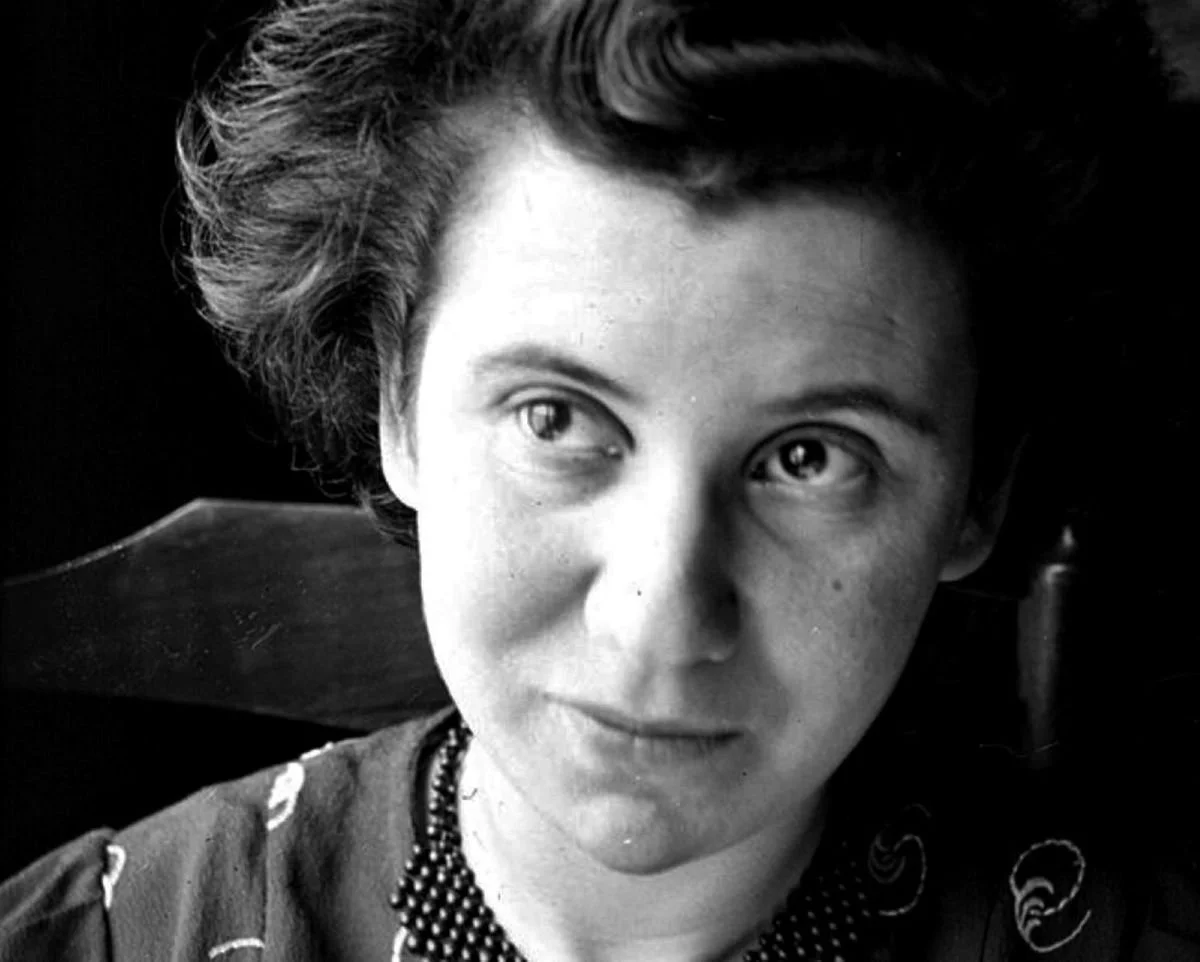
Etty’s early life was not particularly religious. Her family was secular and her childhood was chaotic and tumultuous. In her early twenties, however, she experienced a spiritual awakening through psychotherapy and came to a profound awareness of God’s presence in her life. That understanding endured even as Jews in her country suffered under the tightening grip of the Nazi regime. There is insight here for anyone who seeks God in the midst of hardship and suffering.
As the regime tightened its control, Hillesum was employed at the transit camp at Westerbork, where she processed people for deportation. She used her role as an opportunity to serve those around her. Rather than being paralyzed by fear, she comforted the frightened. She tried to meet people’s basic needs even when the outcome was painfully clear. She also shared small moments of joy with others, noticing the birds in the sky, the beauty of the purple lupins, and the quiet, holy moments that appeared even during chaos. All of this took place with the knowledge that the people she cared for were being placed on trains bound for suffering and death.
In 1943 the inevitable happened. Hillesum herself was deported and murdered in the Holocaust. Yet even on her train ride east, witnesses said that she remained calm and prayerful. Her final postcards spoke not of hatred but of trust.
Through all of this, Hillesum refused to hate. She rejected the impulse to diminish the humanity of those who could not see her own. Instead she devoted herself to service and to an interior life that resembled the traditions cherished by contemplatives, marked by silence, reflection, and attentiveness to God’s presence in each moment.
Learning about Etty’s life challenges me. She turned toward sorrow and faced it directly. She lived close to the reality of her people. She maintained faith in God even when God did not answer her prayers for the Jews to be delivered from their suffering. In fact, she seems to have drawn closer to God through that suffering. I find myself asking how this could be possible.
She witnessed more despair and pain than many of us can imagine, yet her conviction that God was present in every moment did not fail. She teaches me that faith does not remove suffering, but it can transform our experience of it.
Etty’s life echoes the Christian conviction that the darkness has not overcome the light of Christ. That light will never be extinguished. When we make our own hearts a dwelling place for God’s light, we become bearers of that light for others. We, too, can nurture the inner place where God dwells.